


Lebanon

CRS in Lebanon
On August 4, a massive explosion injured more than 5,000 and killing at least 137. Along with Caritas Lebanon, CRS is distributing emergency supplies, clearing rubble, and preparing medical and mental health teams for dispatch.
In 1990, the country's 15-year civil war ended with an agreement for power-sharing governing arrangements based on religious affiliation. The multi-religious character of Lebanese society and the prominent role of Christians in all aspects of the country's life make Lebanon culturally unique in the Arab world. Commenting on the long but often troubled history of coexistence among the country's Christians, Sunni and Shia Muslims, and Druzes, Pope John Paul II said, "Lebanon is more than a country. Lebanon is a message!"
Since the unrest in Syria began in March 2011, approximately 1.5 million Syrians have fled their homes and sought refuge in Lebanon, a small country of around 4.5 million people. According to the United Nations, Lebanon is today the country with the world’s highest concentration of refugees per capita.
Lebanon did not set up formal camps for the refugees. Most are therefore scattered across the country, living in precarious conditions in informal tented settlements or dilapidated buildings in the poorest neighborhoods. The Syrian crisis is also impacting Lebanon with an increased level of internal political tensions and a general deterioration of the security situation in the country.
Partnering with the strongly-rooted Caritas Lebanon and also with religious congregations and interfaith organizations, CRS is working in Lebanon to address the growing needs of the massive refugee population, vulnerable Lebanese and migrant workers.
CRS also works to advance interfaith collaboration and coexistence and to strengthen local community and faith-based organizations in Lebanon and other countries in the region.
Stats
People Served: 96,103
Population: 6,229,794
Size: 4,015 sq. mi.; about 3/4 the size of Connecticut
Our Partners
Become a Partner ›Country News and Stories
-
September 4, 2020
Maronite Scouts Assist Beirut After Explosion
Young volunteers are helping to clean up after the August 4 blast that left much of Lebanon’s capital city in ruins.

-
September 4, 2020
Counseling Beirut’s Traumatized Population
Following the August 4 blast, Caritas committed to raising mental health awareness and reaching those in need of psychological care.
-
August 28, 2020
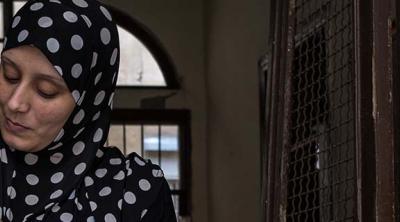
Beirut Explosion: A Missed Birthday and a Broken City
After the devastating blast, CRS and partners were able to respond quickly to the sudden damage and loss.
-
August 6, 2020
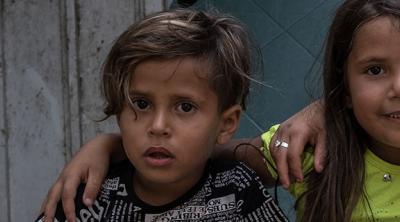
CRS and Caritas Respond to the Explosion in Lebanon
Aftermath of explosion will likely make economic crisis, food insecurity worse

CRS' History in Lebanon
Throughout Lebanon's long civil war and under very difficult circumstances, Catholic Relief Services provided humanitarian assistance and reconstructed war-damaged infrastructure on a non-sectarian basis. CRS' regional office for Europe and the Middle East was relocated to Beirut in 2004. We re-established a Lebanon country program office during the 2006 conflict between Israel and Hezbollah, assisting more than 250,000 war-displaced people.
Following the ceasefire, CRS and local Church partners invested significant resources to rebuild livelihoods, public buildings and community infrastructure. Since then, CRS has focused on strengthening our Lebanese partner organizations and promoting interfaith collaboration and civic participation.
Most recently, CRS has responded to the Syrian refugee crisis. Living without sufficient income and often in overcrowded homes and tents with relatives, many Syrian refugees struggle to maintain safe and healthy homes. We work with many organizations, including Caritas, to meet these humanitarian needs with various types of assistance, including food, non-food items, hygiene kits, etc. Mobile health clinics have also been dispatched to areas where there is a large refugee population.
View Another Region or Country
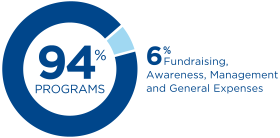
2023 Operating Expenses
Recognition
Trusted by charity rating agencies:



©2024 Catholic Relief Services228 W. Lexington St. Baltimore, Maryland 21201-3443877-435-7277[email protected]
Catholic Relief Services is a 501(c)(3) non-profit organization; Donations to CRS are tax-deductible to the full extent allowable under the law.
Catholic Relief Services eases suffering and provides assistance to people in need in more than 100 countries, without regard to race, religion or nationality.


We are the official overseas relief and development agency of the United States Conference of Catholic Bishops and a member of Caritas Internationalis.