


Sri Lanka

CRS in Sri Lanka
Sri Lanka continues to recover from a decades-long war and the devastating effects of recurrent natural disasters, including the 2004 tsunami. Catholic Relief Services' work in the country has focused on rebuilding after natural disasters and helping those displaced by war. The conflict left thousands of people with no food, home or way to rebuild their lives. CRS’ US Department of State-funded Puthiya Vidiyal “New Dawn” project supports safe and dignified lives for families who have returned to Sri Lanka after living in camps in Tamil Nadu, India. CRS and its partners support returnees by strengthening agriculture livelihoods, training in employable skills, reducing sexual and gender-based violence, and obtaining civil documents. In Sri Lanka, the project is implemented in Manar, Vavuniya, Jaffna and Trinchomalee districts, and supports 3,138 direct beneficiaries and 10,639 indirect beneficiaries. In addition, through Caritas, CRS also helps provide prosthetics to victims of the war, and empowers farm workers on tea plantations to improve their quality of life. In all its programs, CRS works to foster better relationships among people and communities to ensure a lasting peace in Sri Lanka.
Stats
People Served: 3,142
Population: 22,409,381
Size: 25,332 sq mi; about the size of West Virginia
Our Partners
Become a Partner ›Programming Areas
Country News and Stories
-
February 25, 2021
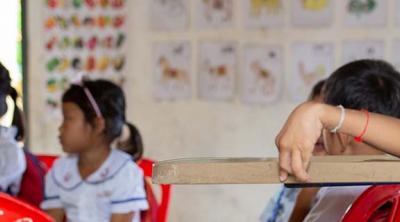
CRS Capacity Overview Disability Inclusion
People with disabilities account for 15 percent of the world’s population — over a billion people. Many face social, economic and cultural barriers that limit their access to full and effective participation in society.
-
December 27, 2018
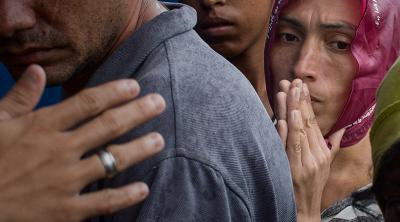
CRS' Best Photos of 2018
These are the CRS best photos of 2018 that have had the most lasting and transcendent impact, capturing the glory of human dignity even as we move among the poorest and most vulnerable.
-
May 18, 2016
Sri Lanka: CRS Supports Emergency Response after Deadly Landslides
Initial emergency response will take place through five diocesan centers.

CRS' History in Sri Lanka
Through our partner Caritas, CRS began assisting the people of Sri Lanka in 1994 from its office in India. In 2001, CRS began sponsoring the National Peace Program through Caritas. This initiative was designed to bring together people from across the ethnic and religious divides in an effort to ease tensions that have been at the roots of the civil war. CRS immediately responded to the December 2004 tsunami in Sri Lanka, in collaboration with Caritas Sri Lanka and Jesuit Refugee Services. Through these partnerships, CRS provided rehabilitation assistance to tsunami victims throughout the country. The civil war in Sri Lanka between the government and the Liberation Tigers of Tamil Eelam escalated in 2006, and the number of internally displaced people rose sharply. In 2009, when the war came to an end, CRS and our partners created return and resettlement programs for the displaced people. Partnering with Caritas, CRS supported food, medical care and other basic needs for displaced people living in camps.
View Another Region or Country
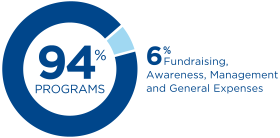
2023 Operating Expenses
Recognition
Trusted by charity rating agencies:



©2024 Catholic Relief Services228 W. Lexington St. Baltimore, Maryland 21201-3443877-435-7277[email protected]
Catholic Relief Services is a 501(c)(3) non-profit organization; Donations to CRS are tax-deductible to the full extent allowable under the law.
Catholic Relief Services eases suffering and provides assistance to people in need in more than 100 countries, without regard to race, religion or nationality.


We are the official overseas relief and development agency of the United States Conference of Catholic Bishops and a member of Caritas Internationalis.